A Catholic view about learning and teaching
St Anthony's School develops our Religious education program on the foundation of a Catholic theology and philosophy of curriculum. Four core themes are central: anthropology, epistemology, cosmology and the Catholic Christian tradition.
A Catholic view about learning and teaching
A reconceptualist approach
The classroom learning and teaching of religion in at St Anthony's has been characterised by a reconceptualist approach. It operates from an educational framework and Brisbane Catholic Education's Model for Religious Education. Classroom religion becomes a place for dealing with the critical religious issues and concerns of life. There are three key considerations for teachers using this approach: the Avoidance of Presumptive Language, Teaching ‘about’ the Tradition and Powerful Pedagogies.
A reconceptualist approach to the religion curriculum P-12
Religion curriculum
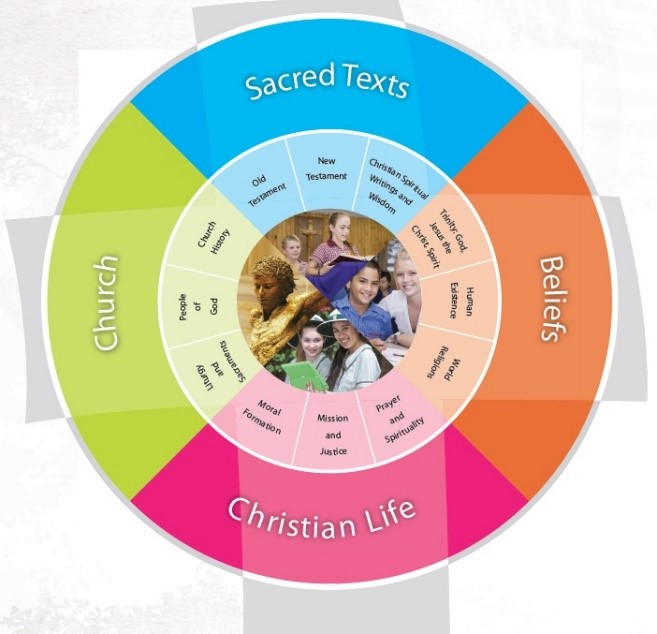
The content of the Religion Curriculum has been organised into four interrelated strands: Sacred Texts, Beliefs, Church and Christian Life. The full Brisbane Catholic Education Religion Curriculum can be accessed here.
Teaching scripture in the classroom
The study of Scripture in a classroom context takes the reader into the world of Jewish and Christian believers. Teachers need to develop reading and interpretation skills to appreciate the understandings of God and religious experience that are presented in biblical texts.
Teaching scripture in the classroom
Learners and learning in the religion classroom
Foundational to the shared work of teachers are the beliefs they have of the learners they serve. The BCE Learning and Teaching Framework (2012) explicitly articulates the beliefs and the responses that flow from these beliefs within schools in the Archdiocese. All students are entitled to rigorous, relevant and engaging learning programs in religion, drawn from the Religion Curriculum P-12, that address their individual learning needs.
Learners and learning in the religion classroom
© Brisbane Catholic Education (2023)